
Commercial Roofing Services:
Reliable & Professional Solutions for Your Business Needs in RI, MA & CT
Commercial roofing services provide reliable solutions for business properties, including roof installation, repair, and maintenance. Professional roofing contractors help protect your building, improve durability, and minimize costly disruptions.
What Are the Key Commercial Roofing Services Offered in RI, MA & CT?
Commercial roofing services include a variety of specialized offerings designed to address the unique needs of businesses. These services typically encompass roof installation, repair, and maintenance, ensuring that commercial properties remain safe and functional. Professional roofing contractors provide expertise in various roofing systems, including flat roofs, metal roofs, and more, each tailored to specific building requirements.
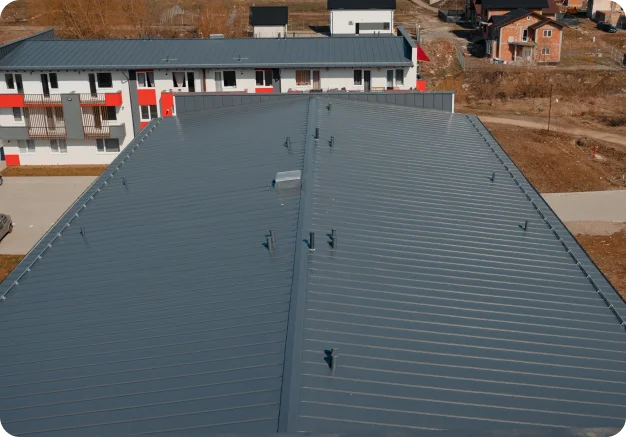
How Do Commercial Roof Repair and Replacement Differ?
Commercial roof repair and replacement serve different purposes and are chosen based on the condition of the existing roof. Repair is often a cost-effective solution for minor issues, such as leaks or damaged sections, allowing businesses to extend the life of their roof without a full replacement. In contrast, roof replacement is necessary when the roof is beyond repair, often due to age or extensive damage. Understanding these differences helps business owners make informed decisions about their roofing needs.
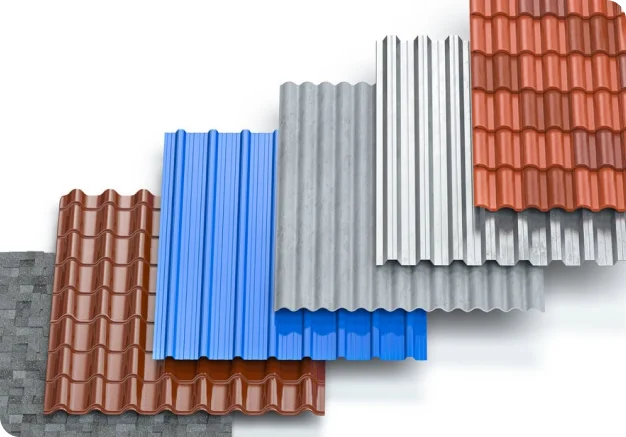
What Industrial Roofing Solutions Are Available for Different Building Types?
Different industrial buildings require specific roofing solutions to meet their operational demands. For instance, warehouses may benefit from durable flat roofing systems, while manufacturing facilities might require sloped roofs to facilitate water drainage. Common industrial roofing solutions include TPO roofing, EPDM roofing, and metal roofing, each offering unique advantages in terms of durability, cost, and energy efficiency. Selecting the right roofing system is crucial for ensuring long-term performance and compliance with industry standards.
Which Roofing Materials and Systems Ensure Durability and Energy Efficiency in RI, MA & CT?
The choice of roofing materials significantly impacts the durability and energy efficiency of commercial roofs. High-quality materials not only withstand environmental stressors but also contribute to energy savings through improved insulation and reflective properties.
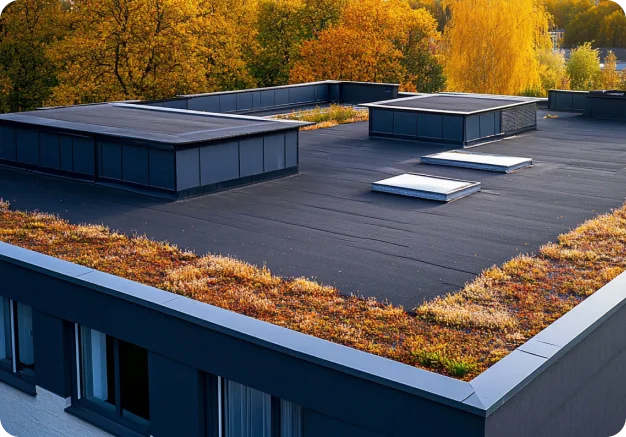
What Are the Benefits of Flat Roof Installation and Metal Roofing Contractors?
Flat roofs are popular in commercial settings due to their cost-effectiveness and ease of maintenance. They provide additional usable space for HVAC systems and can be equipped with energy-efficient materials that reduce cooling costs. Metal roofing, on the other hand, offers exceptional durability and longevity, making it an ideal choice for businesses looking for a long-term investment. Both options can enhance a building's energy efficiency and reduce overall operational costs.
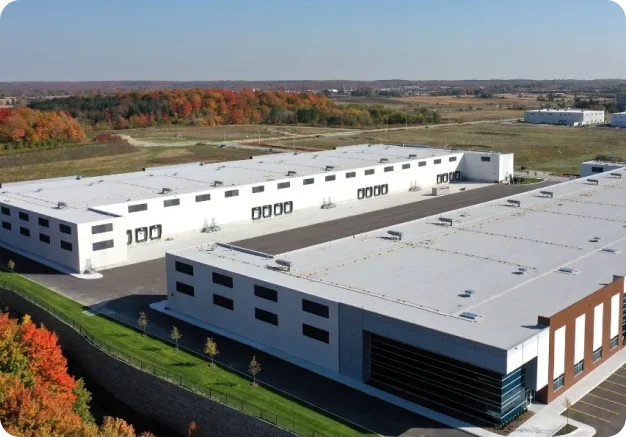
How Do Energy Efficient Roofing Solutions Impact Commercial Buildings?
Energy-efficient roofing solutions play a vital role in reducing a building's energy consumption. By utilizing materials that reflect sunlight and insulate effectively, businesses can lower their heating and cooling costs significantly. Additionally, energy-efficient roofs contribute to a smaller carbon footprint, aligning with sustainability goals that many companies strive to achieve. Implementing these solutions not only benefits the environment but also enhances the overall value of the property.
How Does Professional Project Management Enhance Commercial Roofing Outcomes?
Effective project management is crucial in the successful execution of commercial roofing projects. It ensures that all aspects of the roofing process, from planning to completion, are handled efficiently and within budget. Professional project managers coordinate between contractors, suppliers, and clients to maintain clear communication and adherence to timelines.
Indeed, advanced methodologies are increasingly being applied to optimize project management in commercial roof replacement, focusing on efficiency and cost-effectiveness.
Optimizing Commercial Roof Replacement Project Management
This study explores the use of Goal Programming (GP) to optimise project management decisions in the construction industry, focusing on a case study of a roof replacement project. The construction industry is crucial to a country's development, contributing significantly to economic growth and employment rates. However, construction projects are often complex and resource-intensive. Project management is essential in ensuring the successful completion of construction projects. The study uses GP to address the time-cost trade-off in project management, aiming to minimise project costs while meeting project deadlines and quality requirements.
Enhancing Efficiency in Industrial Metal Roof Replacement: Utilizing Goal Programming for Cost Optimization, SH Prajitna, 2024
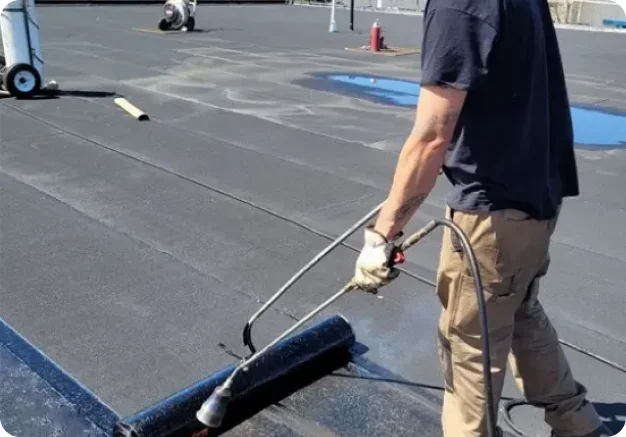
What Are the Steps in a Commercial Roof Replacement Process?
- Initial Assessment: Evaluating the existing roof's condition to determine the need for replacement.
- Material Selection: Choosing appropriate roofing materials based on the building's requirements and budget.
- Installation Planning: Developing a detailed plan that outlines the timeline and logistics of the replacement.
- Execution: Carrying out the replacement while ensuring safety and compliance with regulations.
- Final Inspection: Conducting a thorough inspection to ensure the new roof meets quality standards.
These steps are essential for ensuring a smooth and successful roof replacement process.
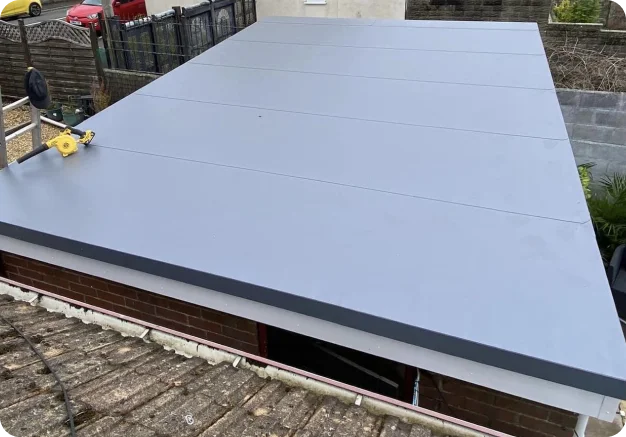
How Is Quality Workmanship Ensured in Roofing Projects?
Quality workmanship is paramount in roofing projects to ensure longevity and performance. Professional roofing contractors implement strict quality control measures, including regular inspections and adherence to industry standards. Skilled labor is essential, as experienced roofers are familiar with best practices and techniques that enhance the durability of the roofing system. Investing in quality workmanship ultimately leads to fewer repairs and a longer lifespan for the roof.
What Are the Best Practices for Roof Maintenance Services to Extend Roof Lifespan?
Regular roof maintenance is vital for extending the lifespan of commercial roofs. Implementing best practices can prevent minor issues from escalating into major problems, saving businesses time and money.
How Often Should Commercial Roof Inspections and Maintenance Be Conducted?
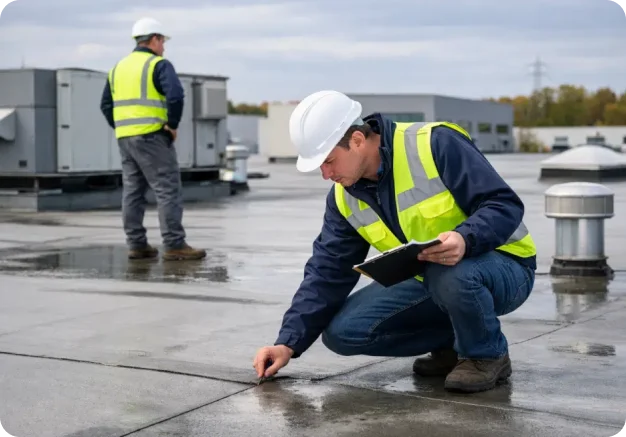
Commercial roof inspections should be conducted at least twice a year, ideally in the spring and fall. Additionally, inspections should follow severe weather events to assess any potential damage. Regular maintenance, including cleaning gutters and removing debris, is essential for preventing water accumulation and other issues that can compromise the roof's integrity.
What Are Common Maintenance Plans and Their Benefits?

Routine Inspections
Scheduled assessments to identify and address potential issues early.

Preventive Maintenance
Regular upkeep tasks, such as cleaning and minor repairs, to extend the roof's lifespan.

Emergency Services
Immediate response plans for unexpected damage or leaks.
These maintenance plans help ensure that roofs remain in optimal condition, reducing the likelihood of costly repairs and extending their overall lifespan.
How Do Costs, Warranties, and Customer Testimonials Influence Commercial Roofing Choices in RI, MA & CT?
When selecting a commercial roofing contractor, several factors come into play, including costs, warranties, and customer testimonials. Understanding these elements can help business owners make informed decisions. Cost are a major consideration, but quality and reliability should not be compromised.
What Factors Affect the Cost of Commercial Roof Replacement?
Roof Size
Larger roofs require more materials and labor, increasing costs.
Material Choice
Different roofing materials come with varying price points, impacting the overall budget.
Labor Costs
The complexity of the installation and local labor rates can influence pricing.
By considering these factors, businesses can better estimate their roofing budgets and choose options that align with their financial capabilities.
Further research delves into the specific economic considerations of various roof designs and materials, offering a detailed cost assessment.
Commercial Roofing Costs: Impact of Design & Materials
This study provides a cost assessment of various roof designs, taking into account the current price of wood in Benin City, Edo State, Nigeria. The analysis specifically examines the costs related to building Hip, Flat, Gable 1, and Gable 2 roofs, with a particular emphasis on the crucial role of wood in forming the trusses. The cost breakdown highlights different financial considerations for each type of roof, with Gable 2 being the most expensive, followed by Gable 1, Hip, and Flat roofs. The costs presented do not include labour costs and the selection of roof sheet materials, which are essential elements of construction projects.
Roofing economics: Analysing the impact of design and materials on construction costs, DJ IDIATA, 2023
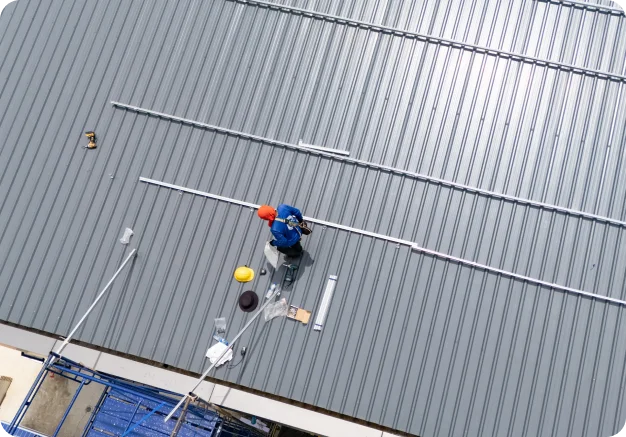
How Do Warranty Options Protect Commercial Roofing Investments?
Warranties are crucial for protecting commercial roofing investments. They provide assurance that the roofing materials and workmanship meet specific standards. Common warranty options include material warranties, which cover defects in the roofing materials, and workmanship warranties, which guarantee the quality of the installation. Understanding warranty options helps business owners safeguard their investments and ensure long-term satisfaction with their roofing solutions.
Your Home Deserves Premier Protection.
Schedule your free, no-obligation roof inspection today. We'll tell you exactly what your home needs and what it doesn't.
No cost. No commitment. Just honest answers.